SaaS for founders and experts
Turn what you know into software that companies subscribe to.
Accounts, plans, roles, customer isolation, and the admin, built with the software itself and owned by you.
Where SaaS ideas stall
If one of these sounds like you, the idea is ready to become software.
- 01
You have done this job for ten years, and there is still no good Arabic tool for it.
You know the workflow better than any foreign product, and so do your future customers.
- 02
You built a tool for your own company, and other companies asked for it.
Selling it means accounts, separate data, and plans, which an internal tool never needed.
- 03
An investor asked to see it working, not a presentation.
A first version that real customers use says more than any slide.
- 04
A customer asked how their data is kept apart from other customers'.
In SaaS, that answer is designed into the database, not promised in a contract.
- 05
Every tool in your field is a translation of a foreign one.
Arabic users notice in the first screen, and that is your opening.
- 06
You are paying an offshore team and managing the project yourself.
The founder's time should go to customers, not to translating requirements.
What a SaaS needs
The parts customers pay for, and the parts that keep them paying.
 01
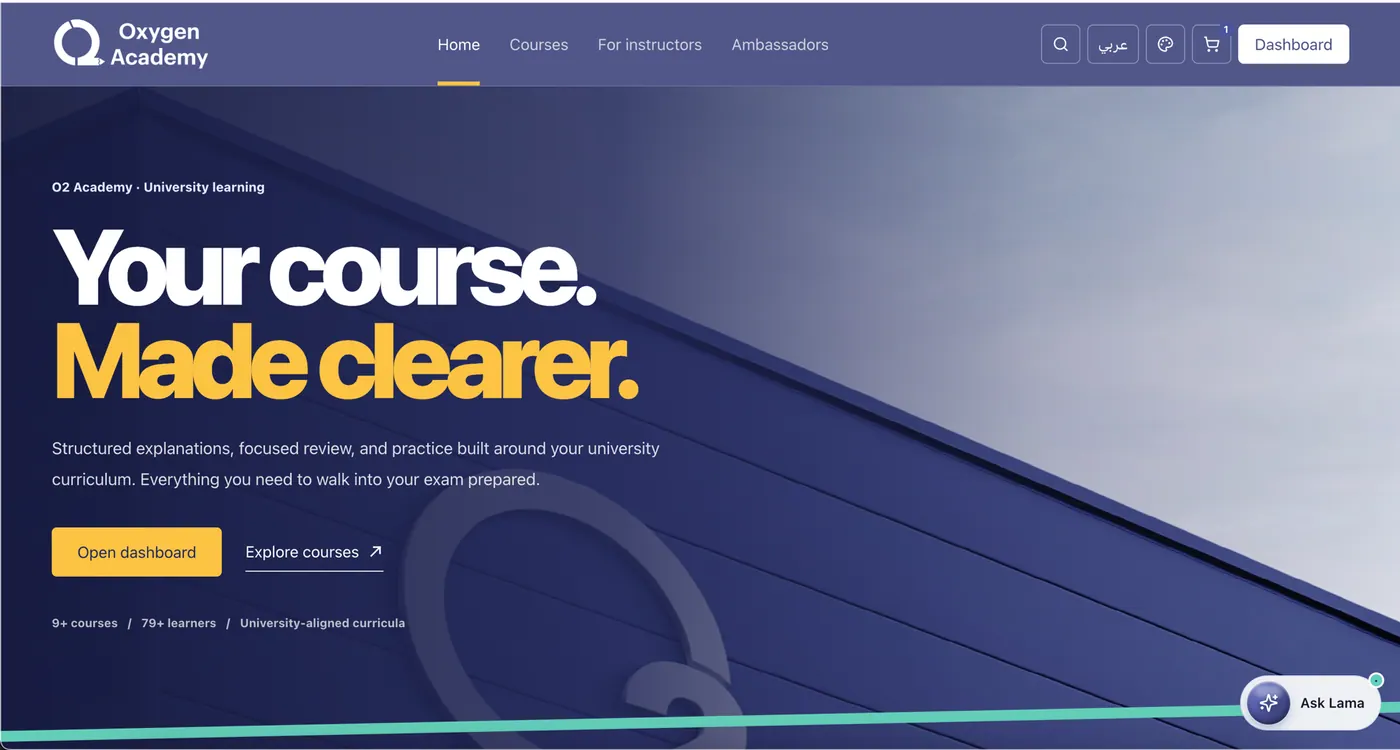
01Several kinds of users, one platform.
Oxygen Academy serves students, instructors, and ambassadors, each with their own portal, tools, and earnings, on the same platform.
- Students study, sit exams, and track progress
- Instructors publish courses and track payouts
- Ambassadors refer students and earn commission
 02
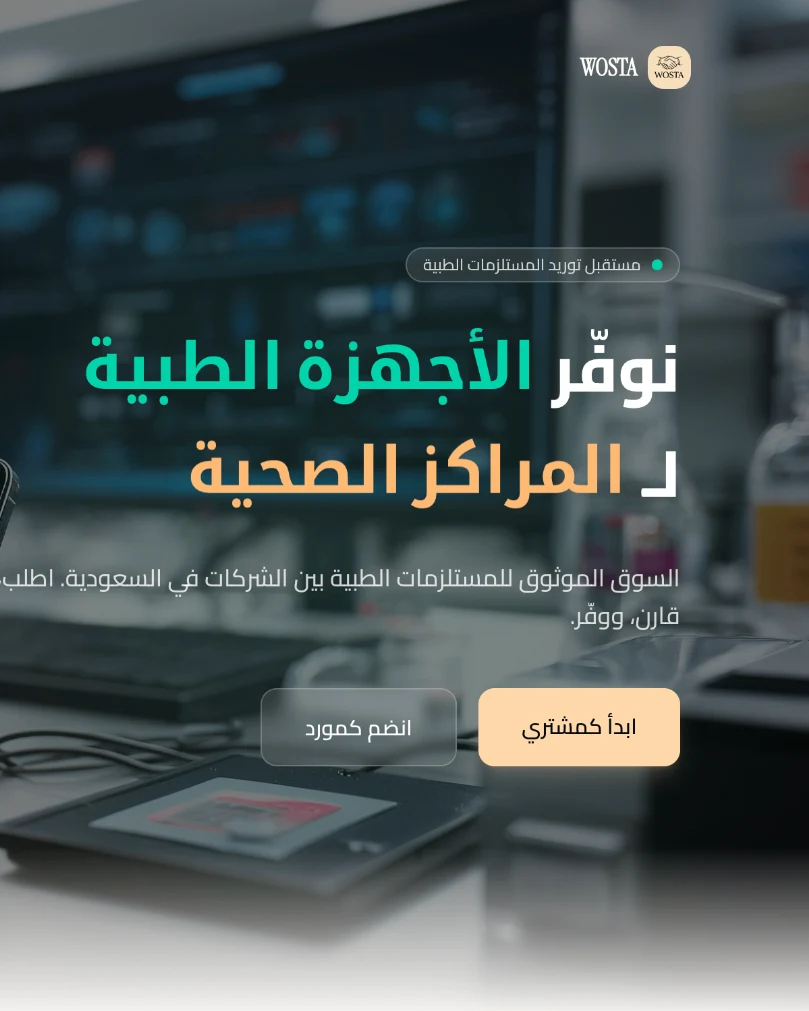
02A subscription model that fits the market.
In WOSTA, clinics and pharmacies post the supplies they need, verified suppliers compete with quotes, and suppliers pay a subscription instead of a cut of every sale.
- Sign-up with a phone code, no email needed
- Branches and warehouses managed separately
- Quotes and invoices tracked in one place
 03
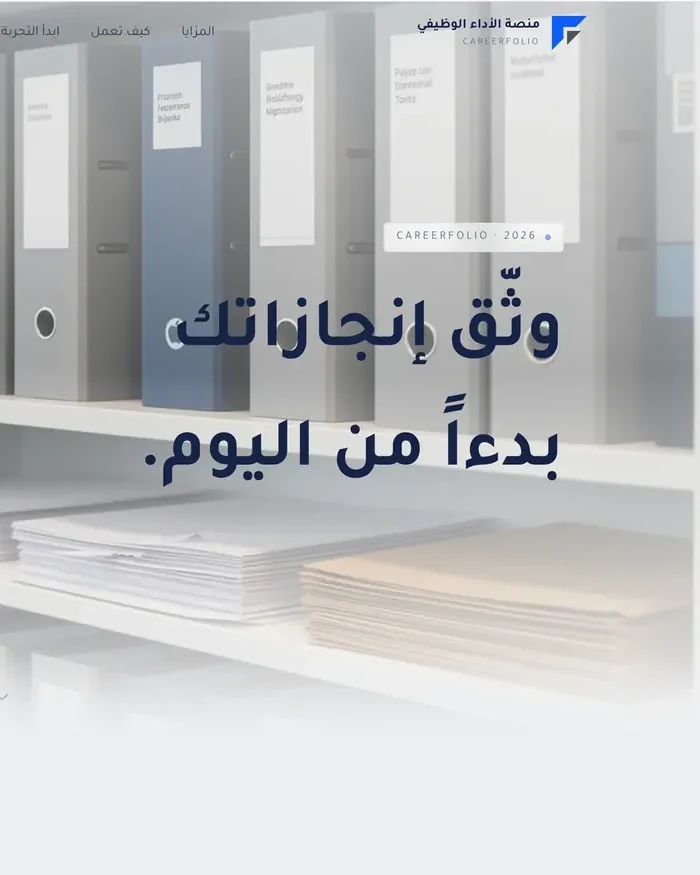
03Output your customers can put their name on.
CareerFolio produces print-ready reports with official Ministry of Education branding, locks each finished year as a read-only archive, and shares portfolios through secure links.
- Official, print-ready documents
- Finished years locked as read-only archives
- Secure, read-only share links
Screens show demo data.
One process, before and after
What changes when a paper process becomes software people sign into.
Based on CareerFolio, a performance-portfolio platform we built for Ministry of Education employees in Saudi Arabia.
Before
- The performance file is kept on paper and in scattered folders.
- Every employee formats it differently.
- Certificates and evidence are hard to find when a review comes.
- Past years can be changed, lost, or mixed with the current one.
With the platform
- Each employee builds one professional file: goals, competencies, training, and certificates.
- Annual goals are set with weights, timelines, and evaluations.
- A print-ready report comes out with official branding.
- Each finished year is rated and locked as a read-only archive.
- AI drafts the bilingual vision, mission, and summary, and the employee edits them.
One company, or many?
A private app serves one company. A SaaS serves many, and each must feel it is the only one.
Separate data, by design
Every table is protected so one customer can never reach another's records.
Accounts and roles
Each customer has its own users, and each user has a role, as with Oxygen Academy's students, instructors, and ambassadors.
Plans and billing
Plans priced in riyals, subscriptions, usage credits, or a share of each sale, chosen for your market.
Your back office
An admin where you see every customer, plan, payout, and support request, without touching the database.
That is the difference between software you use and software you sell.
- 01Signs up and verifies
- 02Chooses a plan
- 03Sets up the account
- 04Uses the software
- 05Renews or upgrades
Each step is designed to work without you in the loop.
What we build
The software, and everything that turns it into a business.
- 01
Sign-up and accounts
Sign-up with a phone code or email, and an account for every customer.
- 02
Roles and permissions
Different kinds of users with different screens and rights.
- 03
Customer isolation
Row-level security on every table, so data never crosses between customers.
- 04
Plans in riyals
Plans and prices set for the Saudi and Gulf market.
- 05
Payments
Online payment through a local payment provider, with invoices.
- 06
Usage and credits
A usage balance customers can see, for software priced by what it does.
- 07
Payouts and commissions
Earnings tracked for instructors, partners, or referrers.
- 08
Official documents
Branded, print-ready reports and exports to CSV or Excel.
- 09
Your admin
Customers, plans, content, and support in one back office.
- 10
AI where it removes work
Drafts, generated content, and search, each with a source and a limit.
Trust is the product
Your customers trust you with their data. The software has to earn it.
- Each customer reaches only its own data, enforced in the database.
- Files are stored privately and open through links that expire.
- Records that must not change can be locked as read-only archives.
- Keys to payment and AI services stay on the server, never in the browser or the app.
- Personal data is handled with Saudi Arabia's Personal Data Protection Law in mind from the first design.
- The source code, the accounts, and the data are registered in your name.
Three ways to charge
- 01
Monthly or yearly plans
Tiers in riyals, each with its own limits and features.
- 02
Usage credits
Customers pay for what the software does, with the balance always visible.
- 03
A share of each sale
The platform takes its share while instructors or partners track their earnings.
Built for the people who pay and use it
The buyer, the users, and you each get what they need.
For the buyer
A clear plan, a clear price in riyals, and a product in their own language.
For the users
Arabic screens designed right to left, with English for those who need it.
For you as the founder
One back office for customers, plans, and payouts, so you can run the business, not the database.
For your support team
Enough visibility to help a customer, without access to what only you should see.
From our work
SaaS we have built for sales, education, government, and healthcare.
Each one started as someone's expertise and became software other people sign into.
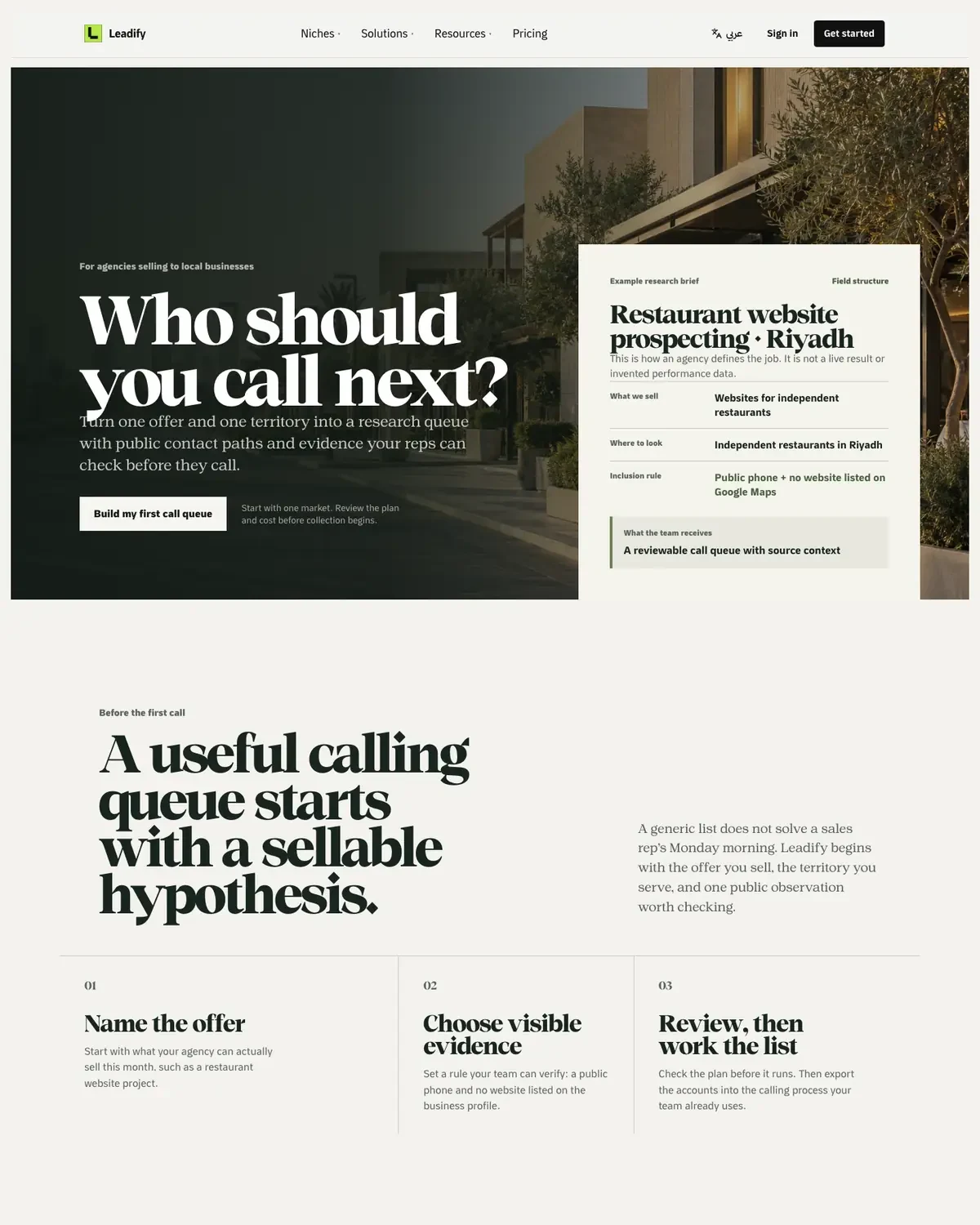
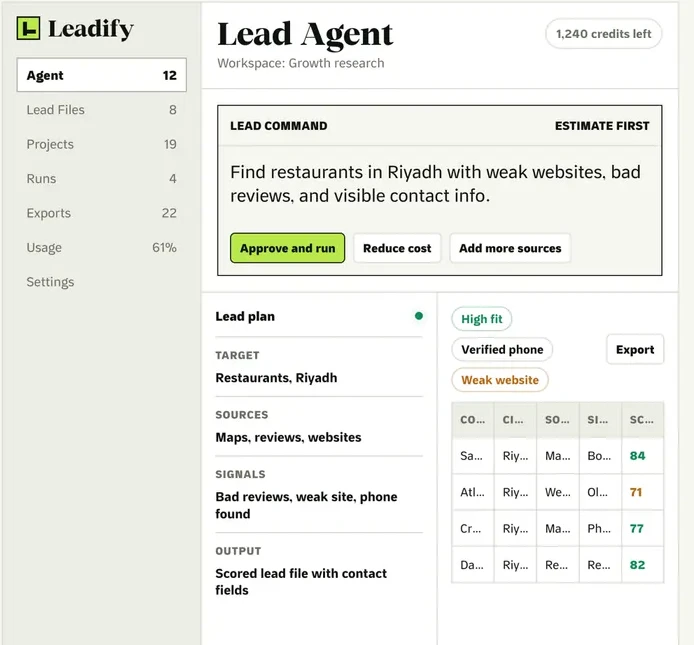
Leadify
Lead generation for the Saudi and Gulf market: describe a customer, approve the plan, export a verified list. Priced in riyals.
View the project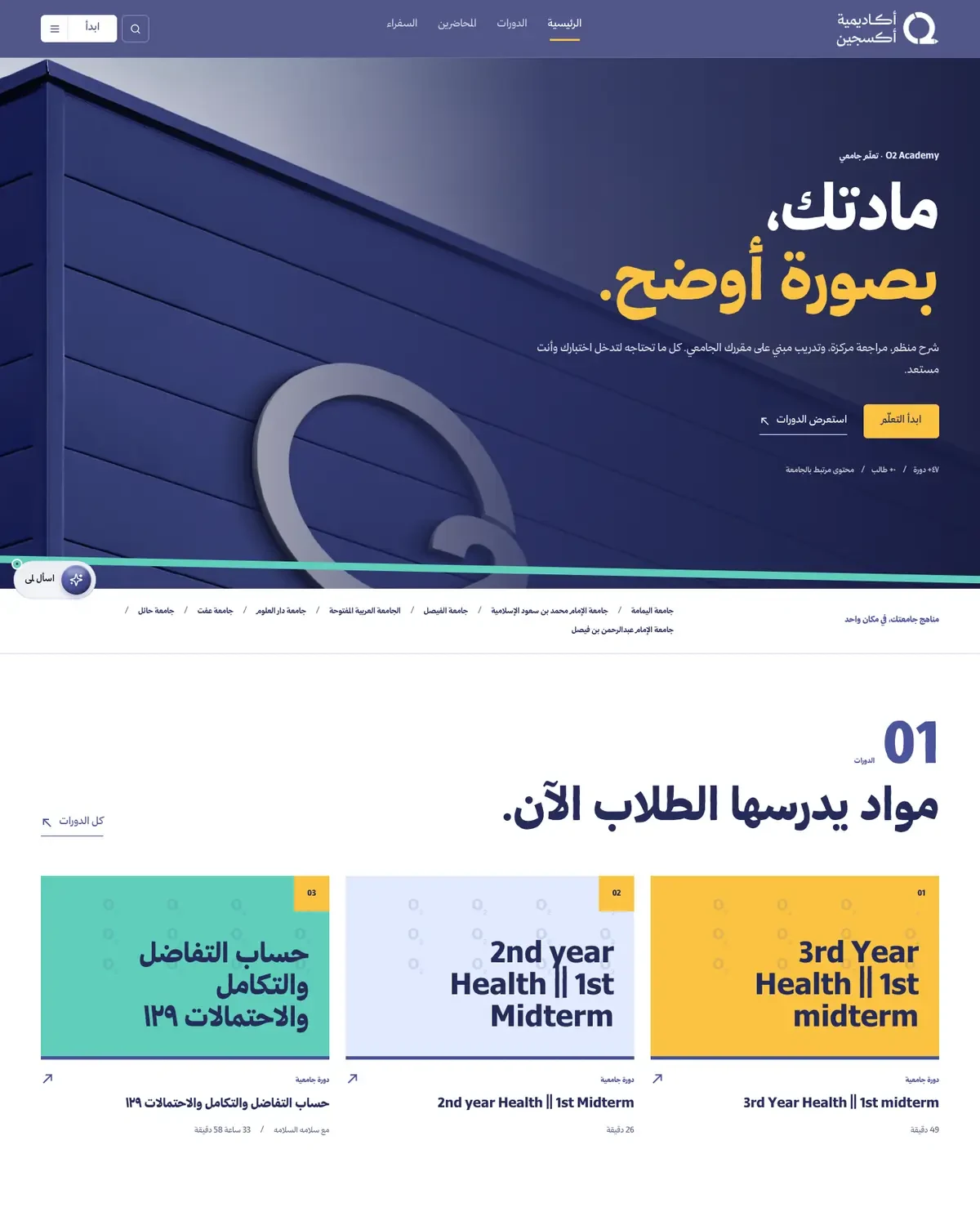
Oxygen Academy
University learning in Saudi Arabia: courses, exams, AI study tools, instructor payouts, and ambassador commissions on one platform.
View the projectA legal case workspace
For legal teams in Saudi Arabia: matters, private files, grounded research, drafting, signatures, and PDF export, with each team's work kept apart.
Some screens show demo data.
Where it fits
Any field where you know the work better than the software does.
Education and training
Courses, exams, instructors, and certificates.
Sales and marketing
Prospecting, lists, and campaign tools.
Government and HR
Employee records, evaluations, and reports.
Healthcare and procurement
Requests, quotes, suppliers, and invoices.
Legal and compliance
Matters, documents, and research.
Your own field
Wherever a spreadsheet and experience are doing the job today.
An honest comparison
A no-code builder, an offshore team, or one studio accountable for the product.
| A no-code SaaS builder | An offshore team | FLUIDS | |
|---|---|---|---|
| Arabic, right to left | Often limited | Usually a translation | Designed Arabic first |
| Customer data kept apart | Depends on the platform | Depends on the team | Enforced in the database |
| Roles, plans, and billing | Templates | Built if specified | Designed with the product |
| Who manages the project | You | Usually you | One team, accountable to you |
| Limits as you grow | The platform's limits | Depends on the code left behind | Phases on the same system |
| Who owns it | You rent it | Depends on the contract | You, code and data |
When we will tell you not to build one
- If no one has paid for the idea yet, run the cheapest test first. A first version exists for exactly that.
- If only your own company will use it, you need a private business app, not a SaaS.
- If a spreadsheet template already solves it, sell the template first.
When customers are ready to pay every month, the software has to be built to be sold, not just to be used.
How we build it
From your expertise to the first customer who pays.
- 01
Scope the first paying version
We decide what the first customers must be able to do, and what can wait.
- 02
Agree the plan
You receive a written plan with the scope, timeline, and price before any work starts.
- 03
Design and build
You receive a version to try every week, and your first customers see it before launch.
- 04
Launch and grow
The software goes live in your name. New plans, roles, and features follow in phases.
Questions
What founders ask before they build.
Is each customer's data kept separate?
Yes, by design. Row-level security on every table means one customer can never reach another's records, whatever the app does.
Can it be in Arabic and English?
It is designed Arabic first and right to left, with English mirrored from it, not the other way round.
Can customers pay online and subscribe?
Yes. We connect a payment provider that works in Saudi Arabia, with plans in riyals and invoices. Some products start with manual billing and add online payment as a phase.
Can we start small?
Yes, and we usually recommend it. The first version covers what the first paying customers need, small in scope and full in quality.
Can we add AI?
Yes, where it removes real work: drafts, generated content, or search, each with a stated source and limit, as in Leadify, Oxygen Academy, and CareerFolio.
Can each customer have its own branding?
It can be designed for. Custom branding or domains per customer are planned as their own phase, because they change how accounts and hosting work.
Who owns the software?
You do. The source code, the accounts, and the data are registered in your name.
How much does it cost, and how long does it take?
It depends on what the first paying version must include, which is why we start with the scoping session. You then receive a written plan with the scope, timeline, and price before any work starts. The session is free and carries no commitment.
Start with what your first paying customers must be able to do.
In one free session we turn your expertise into the scope of a first version: who signs up, what they pay for, and what can wait. You keep the scope whether or not you build with us.
Book the session on WhatsApp