AI in the product
We build the AI inside the app, and every answer shows its source.
It listens, reads, sorts, or writes a draft, on the same screen. Each feature has a source and a stop.
The work
Three features from apps we shipped.
 01
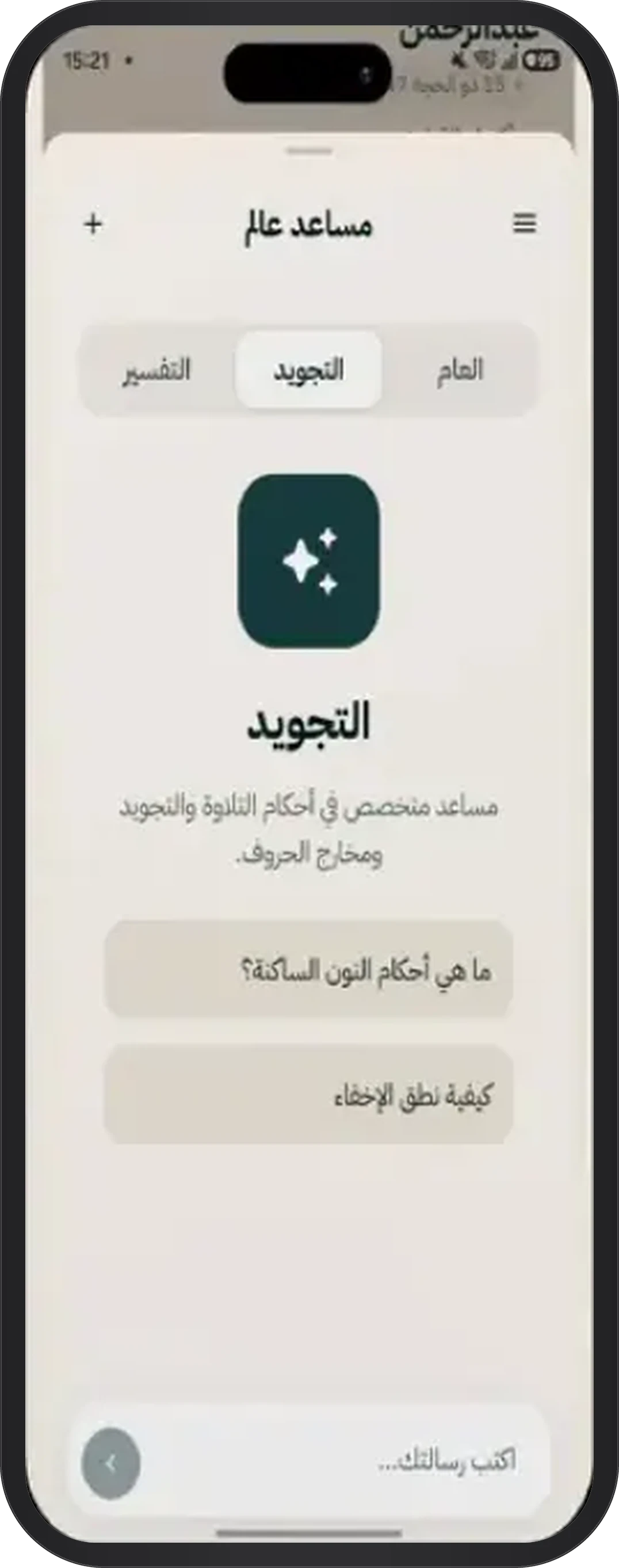
01Ask about an ayah. The answer comes with its source.
In Aalim the reader taps the ayah and asks what it means. The explanation comes from named books: Ibn Kathir, Al-Tabari, Al-Jalalayn, and Al-Sa'di.
- The reader picks the book
- The assistant stays with the teacher
 02
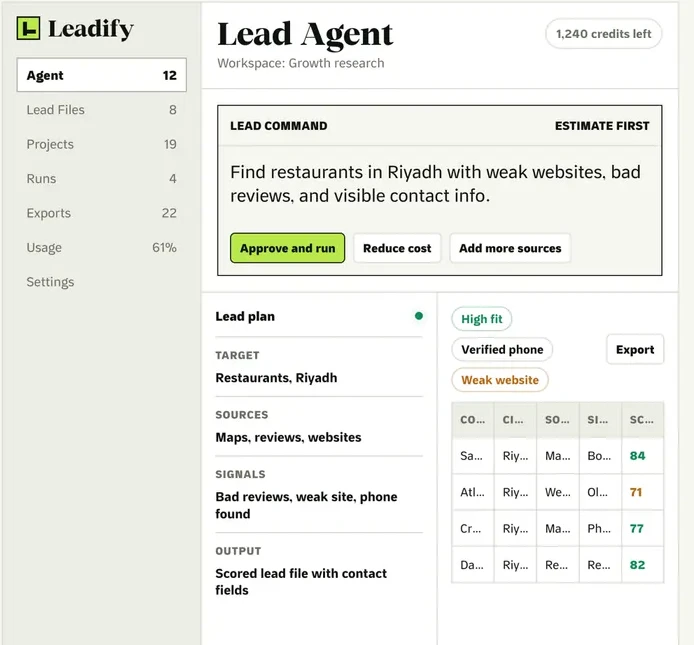
02The AI writes the plan. Someone approves it before it runs.
In Leadify the sales team writes who they are looking for, in Arabic or English. The AI names where to look, and nothing starts until they approve.
- Nothing runs before approval
- Every result is checked and scored
 03
03The app works on its own. The AI is added on top.
Aalim is a Quran reader first: Uthmani script, reciters, search, and reading without internet. The AI adds tafsir and a memorization assistant.
- A memorization assistant that listens
- Tajweed, explained when you tap it
Demo data on the screens.
What we build
Six shapes. We use the ones that fit the app.
- 01
An answer with a source
From your files, or from a named book, and the source is on the screen.
- 02
From your files
Exams, flashcards, and summaries made from files you upload.
- 03
Speech and recitation
It listens to Arabic speech or recitation and marks what changed.
- 04
Ordinary search
The person says what they want, by voice or text, and the app finds it.
- 05
A draft, then a person
The AI writes the draft or the plan. A person edits it or approves it.
- 06
If it stops
If the AI service stops, the rest of the app keeps working.
From our work
Same idea, in two other products.
Each one works on material already in the product.
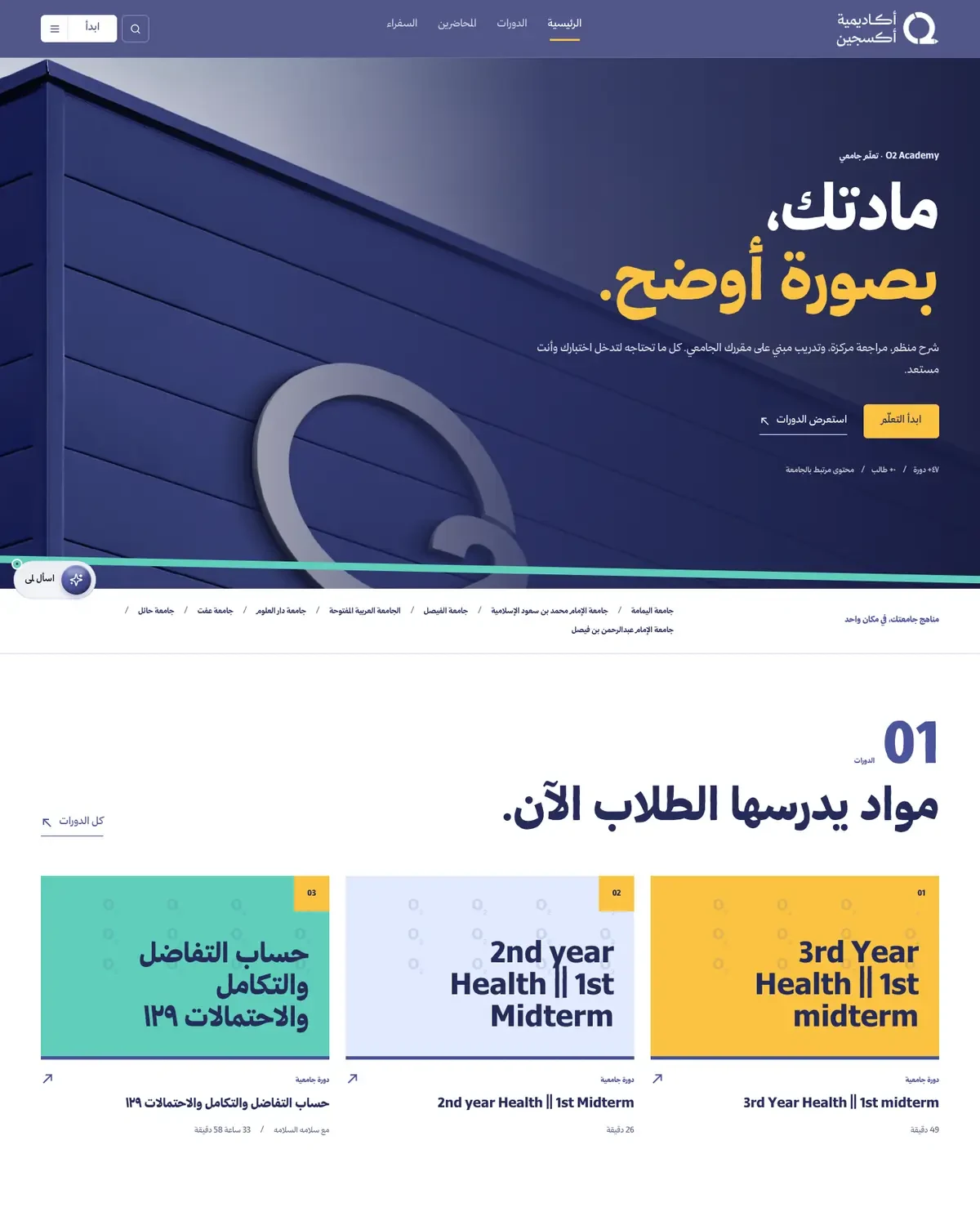
Oxygen Academy
University courses in Saudi Arabia. The assistant reads each course's files, and the exams and flashcards come from those files.
Open the project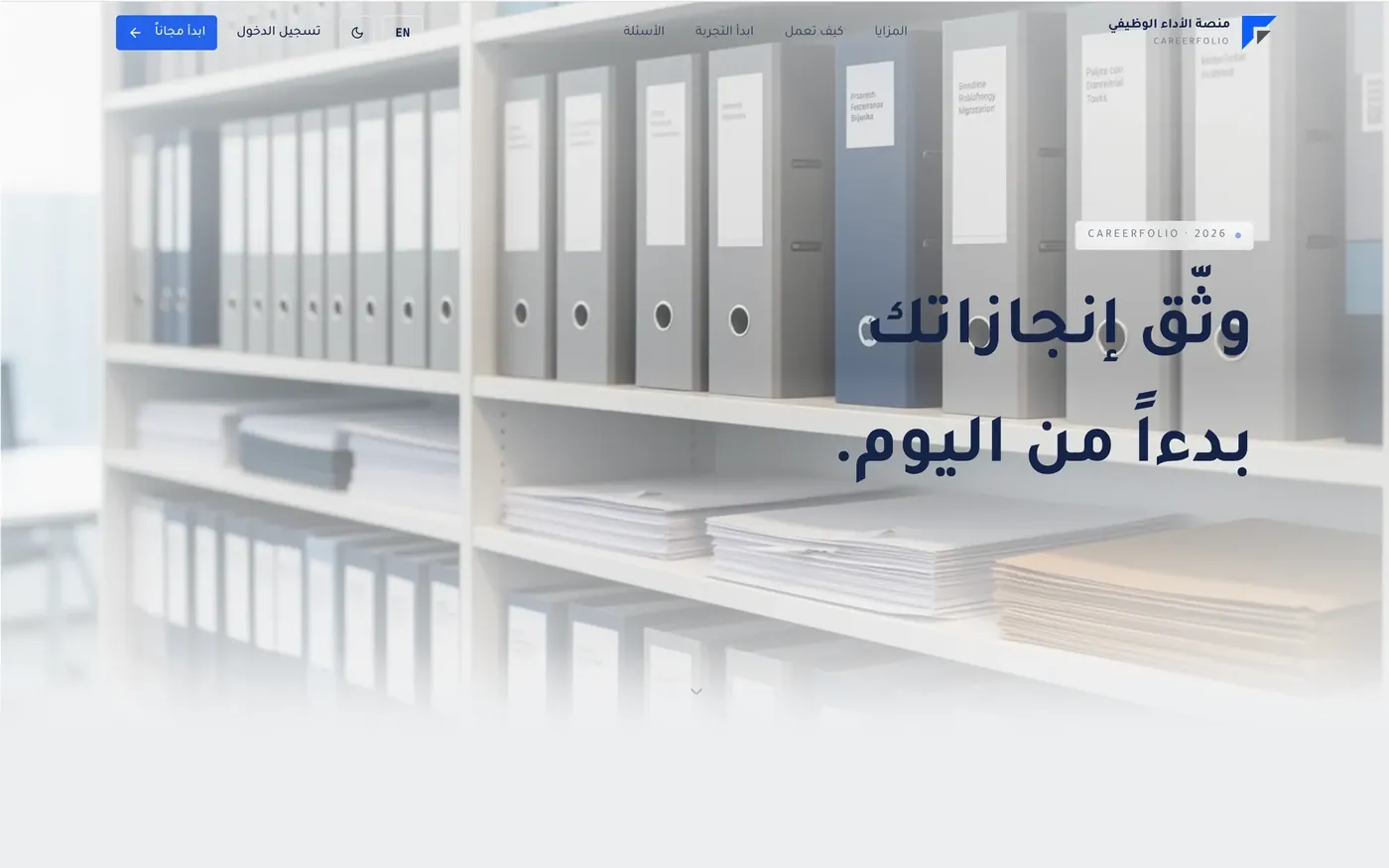
CareerFolio
Performance files for Ministry of Education staff. The AI writes the Arabic and English summary, and the employee edits it.
Open the project
Some screens use demo data.
Before we launch
Three questions. If the feature can't answer them, we don't launch it.
What does it read?
A known book, the course files, or the person's own record.
What does it do?
One job: explain, write a draft, search, or listen.
When does it stop?
If a wrong answer is costly, a person approves or edits it first.
Questions
What people ask before they add it.
Can it invent things?
Yes. So every feature has a source and a stop. If a wrong answer is costly, a person reviews it before it counts.
When do you say no?
If the answer has to be guaranteed and there is no source to stand on. If the job is a simple rule, we write the rule. If the team only wants help writing, a normal AI subscription is enough.
Where does our data go?
The calls and the keys stay on the server, and we agree with you which provider handles which data. Personal data follows Saudi Arabia's data protection law, including anything sent outside the Kingdom.
Does it work in Arabic?
What we have shipped was built for Arabic from the start: recitation, spoken requests, and search, with the answer shown right to left.
What does it cost to run?
There is a usage cost on top of hosting. We put an estimate in the written plan, based on how often it will be used, before we build.
What if the provider stops?
The rest of the app keeps working. We add a backup, like ordinary search if the AI search stops.
Can it use our files?
Yes. That is where it helps most: an assistant on one course's files, or exams from files an instructor uploads.
Is this the agent that runs our company's work?
No. This page is AI inside an app people open. Repeating work inside the company, like the inbox or invoices, is FLUIDS Agency.
We start with one feature: its source, and where it stops.
In one sitting we pick the feature, and write its source, its job, and where it stops.
Message us on WhatsApp